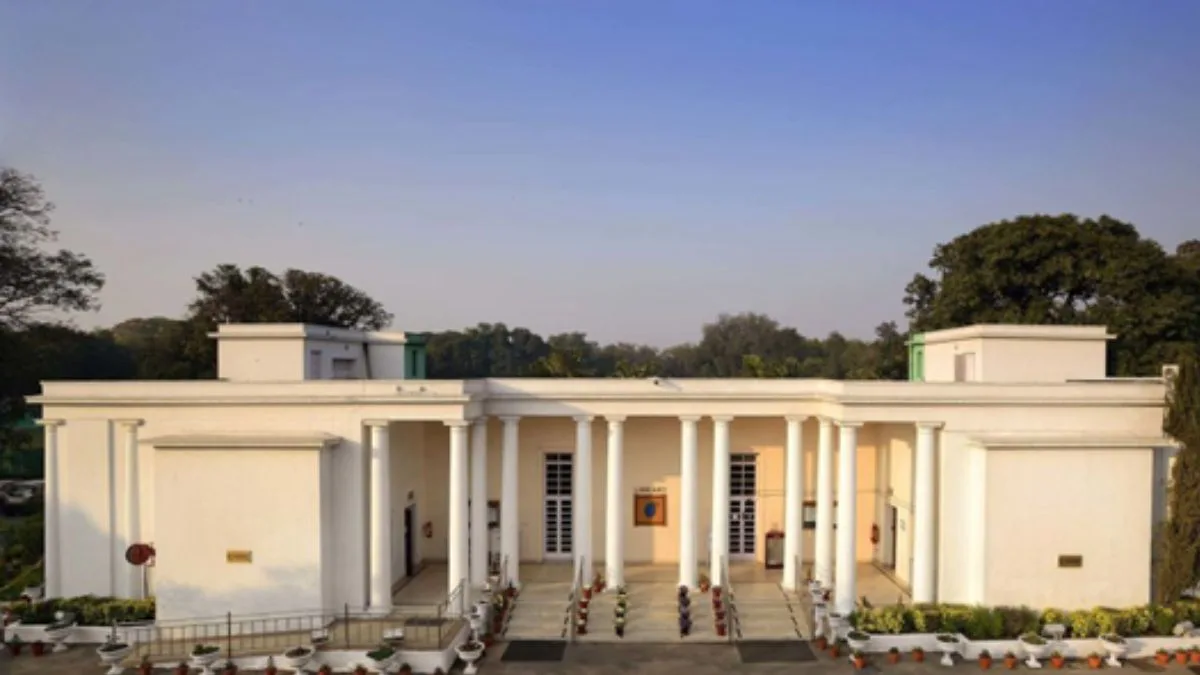
Every democracy owes two debts to its soldiers. The first is to equip them well enough to fight. The second is to acknowledge them with honesty if they fall. The first secures the nation’s borders. The second safeguards its conscience. The recent inscription of the names of six military personnel who died during Operation Sindoor at the National War Memorial has reopened questions that extend beyond party politics.
The issue is not whether these brave men were honoured. They were. They received gallantry awards, their families were presented with the medals, and they have now found a place on the nation’s Roll of Honour. The question is why a clear, official acknowledgement of their sacrifice as casualties of Operation Sindoor came only a year later. The government’s defence deserves consideration. It has pointed out that the Director General of Military Operations referred to casualties in May 2025, gallantry awards were announced in August, and the memorial inscription followed established protocol.
Advertisement
It has also clarified that Defence Minister Rajnath Singh’s statement in Parliament that no Indian soldiers had been harmed was intended to rebut claims that Indian fighter pilots had been killed during the operation. Yet the controversy has persisted because the minister’s recorded remarks were broader than that explanation. They conveyed the impression that India had suffered no military casualties. If a clarification becomes necessary a year later, it is reasonable to conclude that official communication left room for misunderstanding. This matters because democracies do not diminish military success by acknowledging combat losses. They reinforce public trust by doing so. No modern army can expect to wage operations without risk.
Soldiers know it, their families know it, and the nation knows it. What the public expects in return is candour once operational requirements have been met and next of kin have been informed. India has long understood this principle. During the Kargil conflict, casualty lists were released regularly and the nation watched as fallen soldiers were accorded military honours before being laid to rest. The Pulwama martyrs were identified immediately and mourned across the country. Other established democracies follow similar practices. Whether in the United States, the United Kingdom, Australia or Israel, operational details may remain classified, but the identities of personnel killed in action are normally made public after their families have been notified.
National remembrance is never treated as a military secret. The nation should not have had to piece together the human cost of a military campaign through local reports, medal citations and, eventually, inscriptions on a memorial wall. The strength of a democracy lies not in projecting an image of invulnerability but in possessing the confidence to acknowledge sacrifice with clarity and dignity. Those who lay down their lives for the Republic deserve not only medals and memorials, but also the simple honour of being named, openly and without delay. That is the least a grateful nation owes its fallen.